What is Postmenopausal Bleeding?

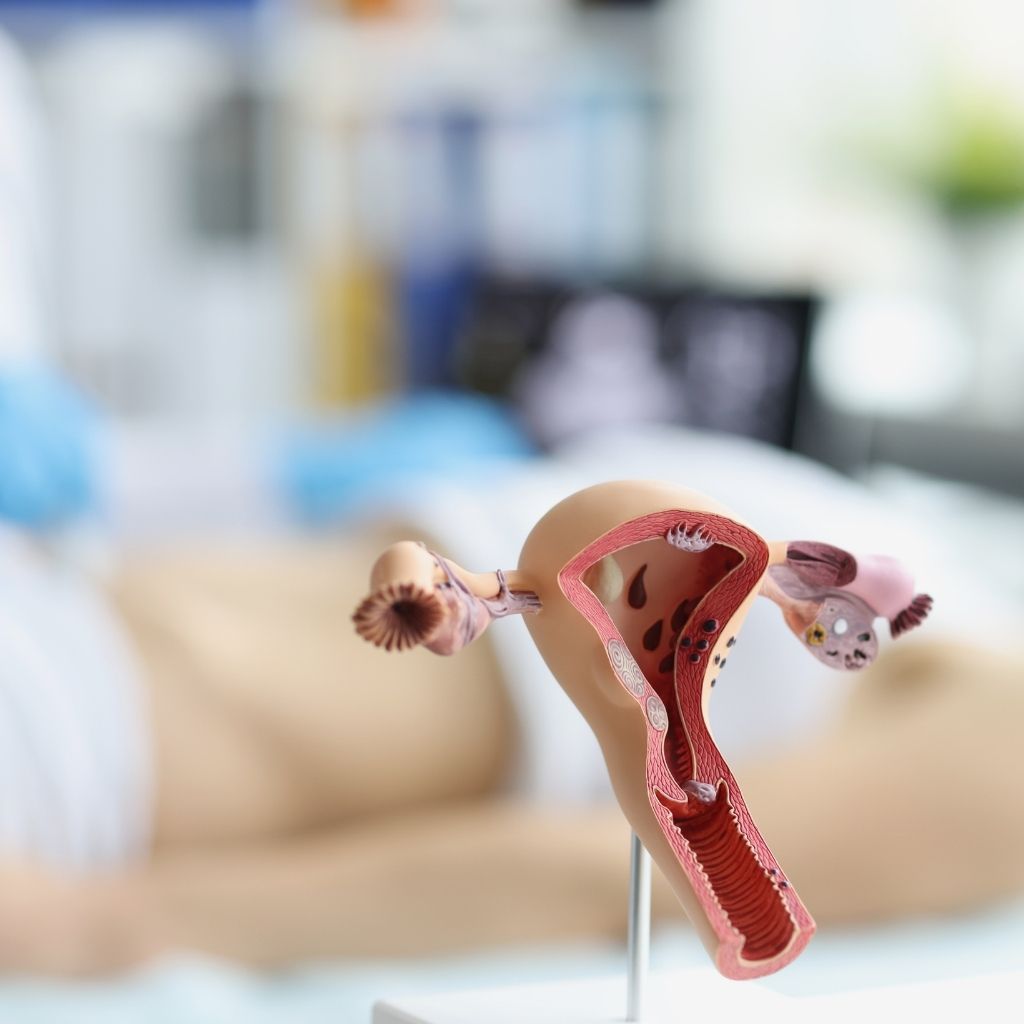
Understanding Postmenopausal Bleeding: Causes, Symptoms, and When to Seek Help
Postmenopausal bleeding (PMB) is a symptom that requires careful attention. It refers to any vaginal bleeding occurring after the cessation of menstrual periods—typically defined as 12 consecutive months without a period. For many women, discovering unexpected spotting or flow can be alarming, leading to significant anxiety and uncertainty about their health.
While it is medically normal for hormonal shifts to sometimes cause minor changes, PMB should never be dismissed simply because the bleeding is light or infrequent. Because there are multiple potential causes—ranging from benign conditions to more serious gynecological issues—it is crucial that any unexpected vaginal bleeding be thoroughly evaluated by a healthcare provider. Understanding what constitutes postmenopausal bleeding, why it happens, and when immediate action is needed can empower you and help guide conversations with your doctor.
What Exactly Is Postmenopausal Bleeding?
Menopause marks the natural end of a woman’s reproductive years, resulting from declining ovarian function and the subsequent drop in estrogen levels. When bleeding occurs after this transition, it is classified as PMB. The key takeaway is that bleeding itself is not a diagnosis; it is merely a sign that something needs investigation. Since the uterine lining (endometrium) is highly sensitive to hormonal changes, unexpected bleeding signals a disruption in the balance of hormones or an underlying physical change within the reproductive organs.
The most common reason for PMB relates to the delicate endometrial lining. When estrogen levels drop drastically after menopause, this lining sometimes thins out or becomes unstable, making it susceptible to irritation, inflammation, or other structural changes that can lead to bleeding.
Common Causes of Postmenopausal Bleeding
The causes of PMB are diverse, and grouping them into categories helps patients understand the full spectrum of possibilities. Generally, these causes fall into two main groups: benign (non-cancerous) and serious (requiring immediate follow-up).
Benign Causes
- Atrophic Vaginitis/Endometritis: This is one of the most frequent culprits. Due to low estrogen levels, the vaginal walls and uterine lining may become atrophic (thin and dry), leading to dryness, irritation, or minor bleeding after intercourse or other physical activity.
- Hormone Therapy: Sometimes, women are on hormone replacement therapy (HRT). Depending on the specific medications used, they can sometimes stimulate increased bleeding.
- Polyps or Cervical Changes: Small growths (polyps) that form in the cervix or uterus lining are common and typically harmless but can bleed easily when irritated.
Serious Causes
While many cases of PMB are benign, it is medically imperative to rule out more serious conditions. The most critical concern associated with PMB is endometrial hyperplasia (the excessive thickening of the uterine lining) or endometrial carcinoma (uterine cancer). These require prompt diagnosis and treatment.
Warning Signs: When Is Bleeding Most Concerning?
While any bleeding requires medical assessment, certain signs elevate the urgency of care. You should schedule an immediate appointment if your PMB:
- Is sudden or heavy (suggesting a significant loss of blood).
- Is accompanied by abdominal pain (could indicate uterine irritation or other pelvic issues).
- Persists despite conservative measures (e.g., lubrication, changes in medication dosage).
It is also important to consider the timeline. If you have had a period and then suddenly experience bleeding years later without any clear trigger, this warrants prompt investigation.
The Diagnostic Process: How Doctors Investigate PMB
Your doctor will follow a structured diagnostic path to determine the exact source of the bleeding. Diagnosis typically starts with a thorough history review and physical examination, but may proceed to more specialized tests:
- Pelvic Exam: The provider will examine your cervix and vagina to look for visible issues like polyps or changes in tissue.
- Transvaginal Ultrasound (TVUS): This imaging test measures the thickness of the uterine lining (endometrium). A very thick lining may indicate a need for further investigation.
- Biopsy: If the ultrasound suggests thickening, a biopsy is often performed. During this procedure, small samples of tissue are taken from the uterine lining and sent to a lab for microscopic analysis. This is the gold standard test for confirming benign versus malignant causes.
The combination of these tests allows your care team to pinpoint whether the bleeding is due to simple atrophy or requires hormonal management or intervention.
Conclusion and Call-to-Action
Postmenopausal bleeding should never be treated as a minor symptom or something to simply “wait out.” While finding the cause can sometimes lead to simple solutions like adjusting hormone regimens, dismissing the symptoms could delay the diagnosis of a treatable condition. Early detection is key, and proactive communication with your healthcare team is your greatest tool.
If you are experiencing any vaginal bleeding after menopause, do not hesitate. Schedule an appointment with your gynecologist or primary care provider immediately for a comprehensive evaluation. A simple conversation can provide profound peace of mind and ensure the optimal health management for your unique body needs.