Understanding Cystocele: Causes, Symptoms, and Comprehensive Management
Living with pelvic floor concerns can significantly impact a person’s daily quality of life. Among the various conditions affecting this sensitive area, one that requires careful understanding is cystocele. Often referred to simply as bladder prolapse, cystocele occurs when the wall supporting the bladder bulges or drops down into the vagina. This condition can be both disconcerting and debilitating, making everyday activities like coughing, lifting, or running challenging.
Far from being a simple nuisance, a cystocele is a structural issue that demands proper medical attention. While it is a common condition—particularly among women who have been pregnant or given birth—it does not mean the symptoms must be endured silently. By understanding the mechanisms behind its development and exploring the range of available treatment options, patients can take proactive steps toward regaining function, strength, and confidence.
What Exactly Is a Cystocele?
To understand cystocele, it helps to visualize the anatomy of the pelvic floor. The bladder is held securely in place by connective tissues, muscles, and ligaments that form a sling-like support system surrounding it. A cystocele occurs when this supporting structure—the fascia or supportive wall—weakens or tears, allowing the weight of the organ (the bladder) to drop downward into the vaginal canal.
- Mechanism: Instead of remaining in its proper position anteriorly (at the front), the bladder shifts posteriorly and inferiorly.
- Impact: This bulging creates pressure on neighboring tissues, which can complicate urination and put strain on other pelvic structures.
Understanding the Causes and Risk Factors
Cystocele is primarily linked to weakening of the connective tissue support in the pelvis (pelvic floor dysfunction). While genetics can play a role, several physical factors significantly increase susceptibility. It is crucial to understand that having one risk factor does not guarantee developing the condition.
The major contributing risk factors include:
- Pregnancy and Childbirth: This is perhaps the most common trigger. The stretching of the pelvic ligaments during pregnancy can lead to weakened tissues, while the mechanical stress of delivery further compromises this support system.
- Aging: As women age, collagen naturally diminishes, and connective tissues lose elasticity, making them more prone to weakening.
- Chronic Strain/Increased Abdominal Pressure: Activities that put sustained pressure on the core, such as chronic coughing (e.g., due to smoking or chronic bronchitis), heavy lifting, or severe constipation, contribute significantly to prolapse development.
- Weight Gain: Excessive body weight places cumulative downward strain on all pelvic organs, accelerating tissue weakening over time.
Recognizing the Symptoms of Cystocele
Many people only become aware of cystocele after noticing physical changes or having an acute episode during activity. Recognizing these potential symptoms is key to prompt diagnosis:
- Pelvic Heaviness/Bulging: A feeling of pressure, a noticeable bulge, or a visible protrusion in the vaginal area.
- Urinary Symptoms: These are often the most disruptive signs and can include frequent urination, urgency (the sudden, intense need to pee), or difficulty emptying the bladder completely (incomplete emptying).
- Pain during Activities: Pain or discomfort that worsens with physical exertion, such as exercise, running, coughing, or heavy lifting.
Diagnosis and Treatment Options
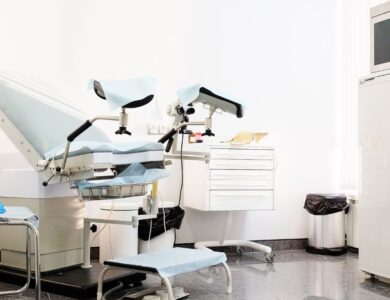
A comprehensive diagnosis usually involves a physical examination by a gynecologist or urologist. This may include pelvic exams and specialized testing to visualize the depth and extent of the prolapse.
Conservative Treatments (Non-Surgical)
For mild cases, treatment focuses on strengthening the core muscles and supporting tissues:
- Physical Therapy (Kegel Exercises): This is the cornerstone of non-surgical care. Specialized physical therapy helps patients learn how to correctly engage their pelvic floor muscles to provide optimal support.
- Lifestyle Modifications: Managing chronic coughs (e.g., quitting smoking), maintaining a healthy weight, and addressing severe constipation through fiber intake can greatly reduce downward pressure.
Surgical Interventions
If conservative methods fail or the cystocele is advanced, surgery may be recommended. Surgical options aim to reconstruct the supportive tissues:
- Vaginal Mesh Repairs: A synthetic mesh material can be placed in the vaginal wall to act as a scaffold, reinforcing the weakened area and providing durable support for the bladder.
- Support Ligament Repair: In some cases, surgeons may repair or reconstruct specific ligaments that are failing to hold the bladder in place.
Maintaining Long-Term Pelvic Health
Managing cystocele is often a journey of lifelong maintenance. Prevention requires consistency and attention to overall pelvic muscle tone. Consistent strengthening exercises, alongside good hydration and diet, are integral to minimizing recurrence and maintaining structural integrity.
Conclusion and Call-to-Action
Cystocele is a complex condition that demands both understanding and diligent care. While the symptoms can be embarrassing or limiting, they are highly treatable with proper diagnosis and intervention. Never assume that discomfort in your pelvic region is just ‘part of aging’ or something you must simply accept.
Call-to-Action: If you suspect symptoms of a cystocele—such as persistent bulging, severe urgency, or pain upon exertion—it is vital to schedule an appointment with a specialist (such as a gynecologist or urogynecologist). Early diagnosis allows for the implementation of physical therapy and lifestyle changes that can significantly improve both function and quality of life. Taking control of your pelvic health starts with knowledge.