Meet Gloversville’s Leading Diagnostic

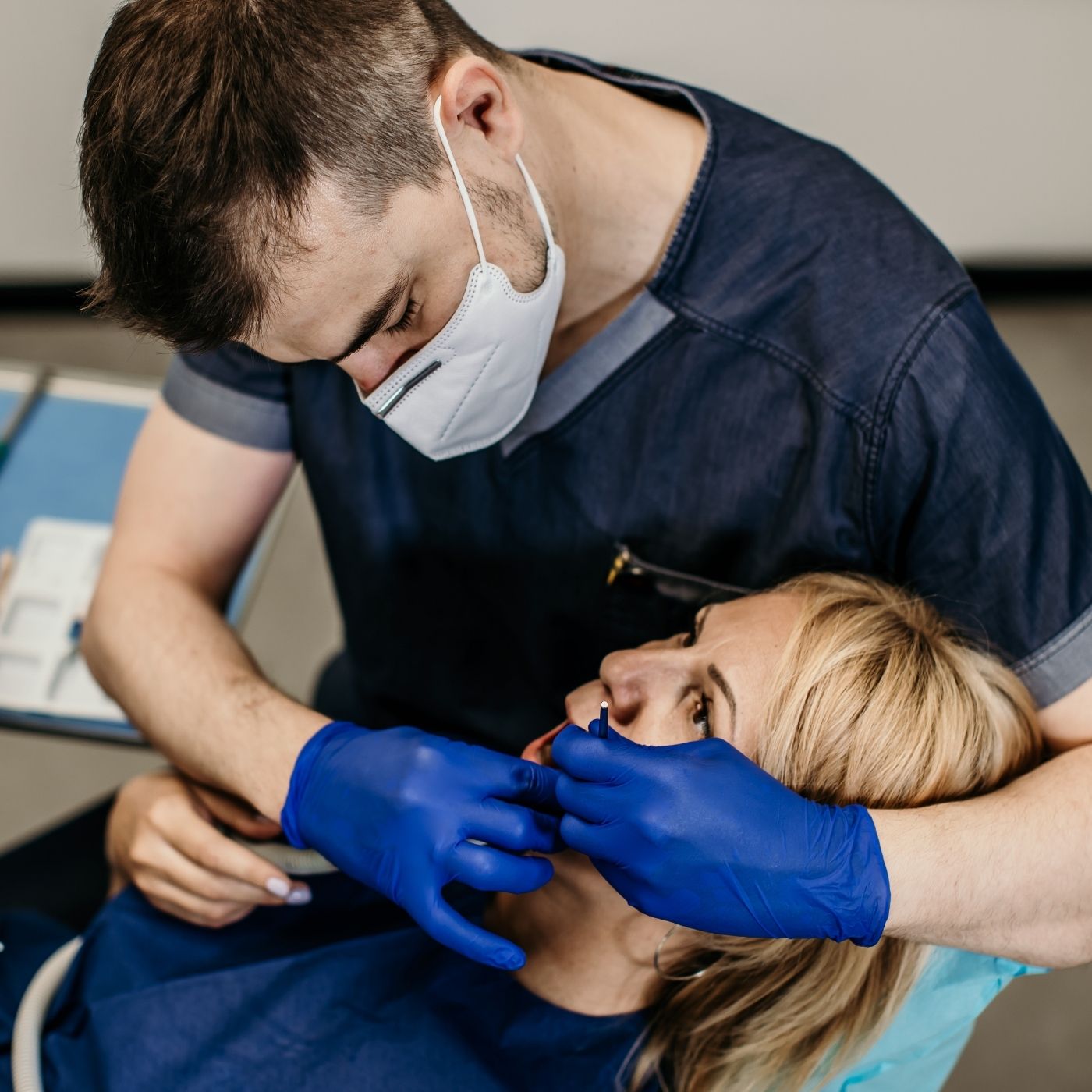
Meet Gloversville's Leading Diagnostic
Finding Peace of Mind: Your Essential Guide to Diagnostic Healthcare in Gloversville
In the complex world of modern health, understanding what your body needs isn’t always straightforward. Before a doctor can prescribe treatment, they often need clarity—a clear picture provided by diagnostic testing. For residents and visitors navigating healthcare options in the beautiful community of Gloversville, knowing where to turn for reliable, high-quality diagnostic services is crucial.
As local experts, we understand that choosing a healthcare facility is a decision built on trust, convenience, and competence. When evaluating your options, it’s essential to look beyond mere proximity and consider the breadth of technology and expertise available. Our goal here is not just to list facilities, but to equip you with the knowledge needed to confidently evaluate if a diagnostic center meets your specific medical needs, whether you are managing chronic conditions, performing routine screenings, or investigating sudden symptoms.
Given that reliable health care remains foundational to community well-being, local resources must adapt rapidly to meet evolving patient demands. Our analysis of the regional landscape highlights the growing need for accessible diagnostic screening and specialized preventative medicine services within Gloversville and its surrounding areas. By understanding these trends, you can prepare tailored questions to ask providers and maximize your peace of mind.
Local Trends Shaping Diagnostic Care in Gloversville
The market for diagnostics is constantly evolving, driven by technology and patient education. Here are key trends impacting healthcare consumers in the region:
- Telehealth Integration for Initial Screening: Patients increasingly expect to utilize virtual appointments not just for follow-ups, but even for initial discussions about test requirements. Look for centers that smoothly integrate digital tools with physical diagnostics.
- Emphasis on Preventative Diagnostics: There is a significant shift away from waiting until symptoms are severe. Local residents are actively seeking comprehensive annual screenings (bloodwork panels, specialized imaging) to catch issues early.
- Increased Demand for Specialized Testing: While general blood work remains standard, the demand for niche diagnostics—such as advanced cardiac stress tests or specific hormonal profiling—is growing rapidly among specialists.
- Convenience and Out-of-Network Transparency: Patients require streamlined experiences. Key factors include easy parking, clear insurance acceptance policies, and minimizing wait times from scheduling to results.
Understanding Your Diagnostic Options
A diagnostic facility is far more than just a place to draw blood; it’s a hub of advanced medical technology. Services range dramatically, from simple urinalysis kits handled through general practitioners to sophisticated imaging machines that require specialized radiologist interpretation. When reviewing the single active provider found in our government database, remember to investigate:
Accreditation Status: Always confirm accreditation (e.g., CAP or CLIA) to ensure high standards of quality control are maintained across all testing platforms.
Scope of Services: Does the provider offer what you need? If your primary care physician recommends a specialized test (like genetic sequencing), ensure the facility is equipped for that level of complexity, or if they have established referral pathways to specialists who do.
Frequently Asked Questions about Local Diagnostics
We’ve compiled some of the most common questions residents ask when navigating the local diagnostic landscape:
Do I need a doctor’s referral to get basic blood tests in Gloversville?
While a physician’s order or referral is highly recommended and often required by insurance for coverage, routine screening panels (like cholesterol or thyroid checks) can sometimes be initiated with a consultation. Always confirm the specific requirements directly with your insurance provider and the facility staff to avoid delays.
How quickly can I expect results from diagnostic testing?
This varies drastically based on the test type. Simple blood counts might be available in minutes, while comprehensive metabolic panels (CMP) may take 24–48 hours to process and report. Always ask for an estimated turnaround time upon scheduling your appointment.
Is it better to get diagnostics through my primary care doctor or a specialized lab?
The best approach is often integrated care. Your Primary Care Physician (PCP) should manage the ‘why’ and ‘when’ of the test, while a highly specialized laboratory handles the ‘how.’ Both perspectives are valuable for comprehensive health management.
What symptoms warrant an immediate diagnostic visit?
While this guide is not medical advice, you should seek immediate care if you experience sudden difficulty breathing, chest pain, signs of severe bleeding, or acute loss of consciousness. These emergencies require urgent attention and bypassing routine scheduling.
Does my insurance cover diagnostic screening?
Coverage is complex. Most plans require “medical necessity.” Before any visit, call the number on your insurance card and ask specifically: “Is this specific test covered for my stated condition code [XXXX]?” Always get confirmation in writing if possible.
What do I need to prepare before a major blood draw?
Preparation is key. For most tests, you will be asked to fast (nothing by mouth except water) for 8–12 hours. Never skip this step, as it can skew metabolic results and lead to inaccurate diagnoses.
How do I know if my test results are abnormal?
The report will usually include reference ranges (e.g., 70–100). Anything falling outside this narrow range is considered flagged or potentially abnormal. However, remember that a single out-of-range result must always be interpreted by a qualified medical doctor.
Are there alternatives to standard lab testing?
Some alternative diagnostics focus on nutritional assessments or biomarker panels not covered by standard insurance. While valuable for holistic care, these should be discussed thoroughly with your PCP, as they may sometimes overlap or contradict established medical science.
How much should I budget for routine diagnostics?
Budgeting is highly variable. Costs can range from a copay of $25 (for simple panels) to several hundred dollars (for advanced imaging). Always obtain an estimated cost or pre-authorization estimate before the visit.
Real-World Case Studies and Examples
Understanding how diagnostics are applied in real life helps set realistic expectations for your care:
Case Study: The Importance of Annual Thyroid Screening
A patient visited the local provider thinking fatigue was just stress. However, an annual TSH (Thyroid Stimulating Hormone) panel revealed mild hypothyroidism. By detecting this early via routine diagnostics, treatment started immediately, preventing potential complications and restoring energy levels months before symptoms became debilitating.
Case Study: Detecting Hidden Mineral Deficiencies
A high school athlete experienced recurring muscle cramps and unexplained fatigue. Initial diagnoses were simple dehydration, but comprehensive blood diagnostics revealed severe iron deficiency (ferritin levels). The targeted diagnosis allowed the patient to take immediate supplementation, significantly improving athletic performance and overall wellness.
Case Study: Cardiovascular Risk Assessment
A 45-year-old with no known symptoms underwent a full cardiac risk panel, including bloodwork (lipid profile) and an EKG. The results indicated elevated LDL cholesterol and subtle patterns of plaque buildup, allowing the physician to initiate preventative lifestyle changes and medication years before a potential heart event.
Pro Expert Tip
The Most Valuable Prep Step: Keeping Your Symptom Journal
Before visiting any diagnostic center or specialist, keep a detailed journal of your symptoms. Note not just the symptom itself (e.g., ‘headache’), but also its timing (‘late afternoon’), severity (‘out of 10’), and any potential triggers (‘after lunch’). This comprehensive history allows the diagnosing physician to narrow down differential diagnoses immediately, leading to more precise and less invasive testing.
In summary, accessing world-class diagnostic care in Gloversville means being an active participant in your own health journey. Use this guide not only as a resource but as a checklist of questions for your healthcare providers. By understanding the trends, preparing for your visit, and reviewing your options thoroughly, you can ensure that your local diagnostic experience is both efficient and deeply valuable.
Explore Other Amazing Options
Discover more curated guides across Gloversville:
Diagnostic in Other Areas
If you are near Gloversville, these nearby locations are also worth exploring:
| Destination | Distance | What to Explore |
|---|---|---|
| Cohoes | Approx. 38 miles | View Diagnostic in Cohoes |
| Albany | Approx. 41 miles | View Diagnostic in Albany |
| Beacon | Approx. 109 miles | View Diagnostic in Beacon |
| Auburn | Approx. 113 miles | View Diagnostic in Auburn |
Rate a business above:
Your opinion helps other people make better decisions.
Keywords for Your Next Internet Searches
diagnostic in Gloversville, best diagnostic in Gloversville, top rated diagnostic near Gloversville, diagnostic near me in Gloversville, Gloversville diagnostic guide, affordable diagnostic in Gloversville
Drifter'S Diagnostics & Repair Llc in Gloversville