What is Ovarian Torsion?

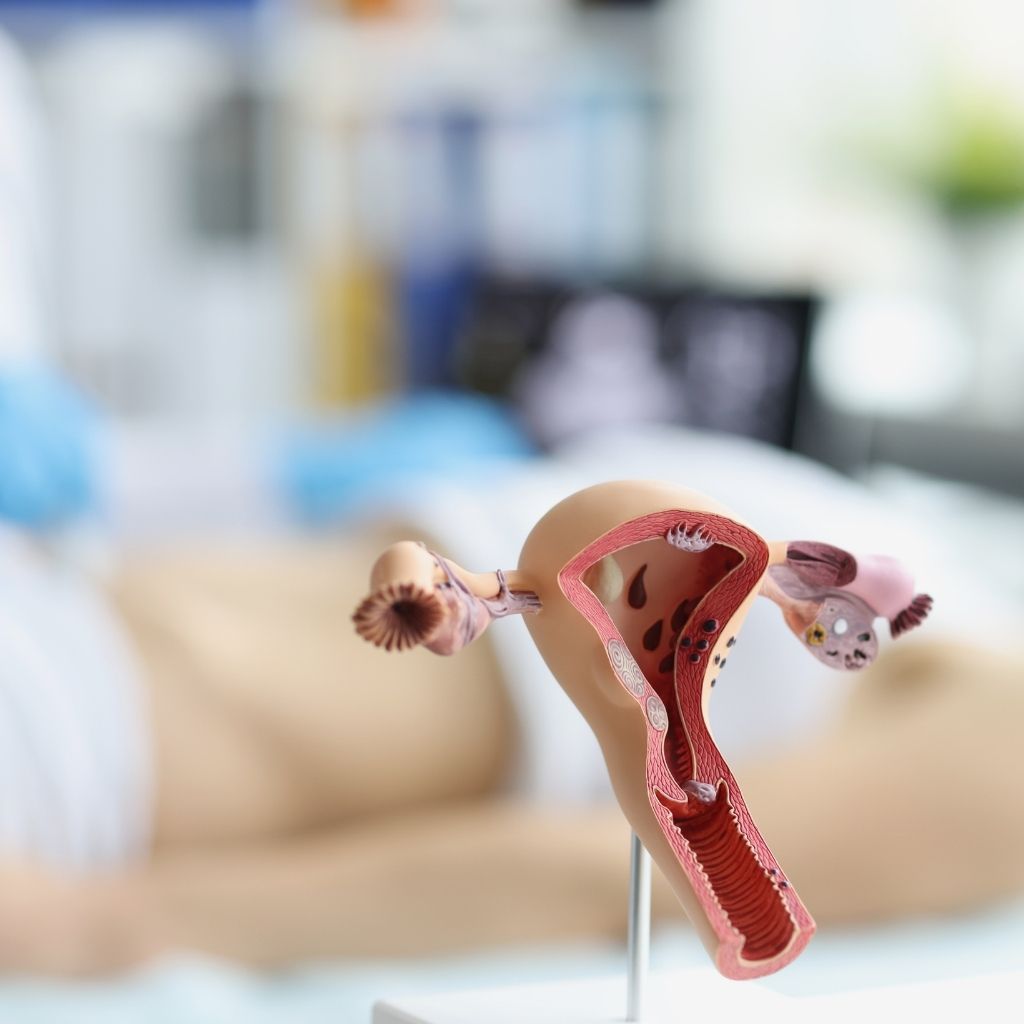
Understanding Ovarian Torsion: Causes, Symptoms, and Emergency Care
Introduction
Ovarian torsion is a serious medical condition that occurs when one or both ovaries become twisted around the supporting ligaments within the pelvis. Because the ovary is connected to blood vessels that supply it with oxygenated blood, twisting acts like cinching a balloon—it restricts the flow of necessary nutrients.
This sudden restriction in blood flow causes the tissue to become deprived of oxygen (a condition called ischemia) and can lead rapidly to severe pain and, if untreated, permanent damage or even necrosis (tissue death). Due to its acute and intense nature, ovarian torsion is considered a gynecological emergency, requiring immediate medical attention. Understanding what it is, recognizing its symptoms, and knowing the proper treatment pathway are essential for effective early intervention.
What Exactly Is Ovarian Torsion?
At its core, ovarian torsion describes the mechanical twisting of the ovary, fallopian tube, or connecting ligaments. When this rotation occurs, it compromises the blood supply (vascular supply) to the internal structures. This is often categorized as an acute event because the onset of symptoms and distress can be rapid. The severity of the condition depends on how tightly the torsion has occurred and for how long the tissue has been starved of blood.
The potential complications are extensive, ranging from severe abdominal pain to ovarian failure. In a surgical setting, physicians must carefully determine whether detorsion (untwisting) is successful and if the ovary remains viable (alive) enough to be saved or if removal (oophorectomy) is necessary.
Recognizing the Warning Signs: Symptoms of Ovarian Torsion
One of the most distinguishing features of ovarian torsion is the sudden onset of pain. Unlike common menstrual cramps or chronic pelvic pain, the discomfort tends to be sharp and overwhelmingly intense. Knowing these symptoms can help prompt a visit to the emergency room immediately.
- Sudden, Severe Pelvic Pain: The defining symptom is often described as an abrupt “worst pain ever” sensation in one side of the abdomen or pelvis.
- Nausea and Vomiting: Due to the intensity of the abdominal pain and irritation of surrounding organs, nausea and vomiting are extremely common.
- Tenderness: The affected area may be visibly swollen or tender upon physical examination by medical staff.
It is crucial to note that while these symptoms strongly suggest torsion, other conditions (such as severe appendicitis or kidney stones) can present similarly, which is why prompt professional evaluation is paramount.
Risk Factors and Contributing Causes
While the exact cause of the torsion mechanism isn’t always clear, certain factors significantly increase a woman’s risk. The reproductive structures themselves sometimes provide the source for the twisting:
- Cysts: Functional ovarian cysts are perhaps the most common precipitating factor. If an ovary is enlarged by a cyst, it can increase its weight and size, making it more prone to rolling or twisting.
- Adhesions (Scar Tissue): Scar tissue connecting various organs in the pelvis can sometimes pull the ovary into abnormal positions, creating risk points for torsion.
- Fibroids: While less common than cysts, large uterine fibroids can also alter pelvic anatomy and contribute to positioning issues.
The combination of an enlarged organ (like a cyst) in an already delicate anatomical position makes the ovary vulnerable.
Diagnosis and Immediate Medical Management
Because the situation is time-sensitive, diagnosis usually begins with physical examination and imaging tests. Doctors will prioritize stabilizing the patient while determining if surgery is required immediately.
Diagnostic Tools:
- Pelvic Ultrasound: This is typically the first step. The ultrasound can help assess blood flow (Doppler assessment) to the ovary. Reduced or absent blood flow strongly suggests vascular compromise and torsion.
- Blood Tests: These may be used to rule out other concurrent infections or complications.
Emergency Care: Once diagnosed, the goal of medical management is detorsion—the careful manual untwisting of the ovary in an operating room setting under general anesthesia. This procedure must be done rapidly to minimize tissue death.
Treatment and Recovery
The treatment for ovarian torsion is surgical intervention (laparoscopy or laparotomy). The surgeon’s main objectives are threefold: detorsion, assessment of viability, and management of the underlying cause.
- Detorsion: The ovary is physically untwisted.
- Viability Check: Surgeons assess how much blood supply remains to the tissue. Sometimes, part of the ovary may be necrotic (dead) and needs removal.
- Definitive Action: Depending on the severity of damage, the treatment might involve simply repositioning the ovary, or potentially removing the cyst/ovary if it is deemed non-viable or constantly at risk.
Recovery requires close monitoring due to potential internal bleeding and inflammation. After surgery, recovery generally involves rest, pain management, and a follow-up plan to prevent future occurrences.
Conclusion: When Doubt Strikes, Act Quickly
Ovarian torsion is a frightening but treatable medical emergency. While the symptoms—acute, intense, unilateral abdominal pain accompanied by nausea—are alarming, early recognition and rapid professional care significantly improve outcomes and preserve ovarian function. Remember that time is absolutely critical when dealing with restricted blood flow to internal organs.
If you or someone you know experiences sudden, severe pelvic pain, do not wait for it to subside—seek emergency medical evaluation immediately. Early diagnosis is key to successful treatment and recovery from ovarian torsion.