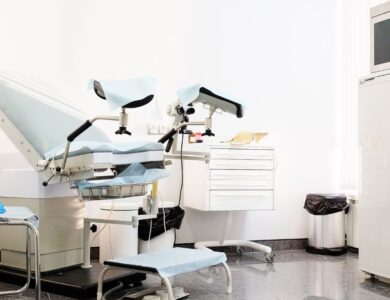
Understanding Rectocele: Symptoms, Causes, and Comprehensive Treatment Options
Rectocele is a condition that can profoundly affect quality of life, often causing discomfort and functional difficulties. In simple terms, it refers to a weakness or bulge in the wall separating the rectum (the lower part of the large intestine) and the vagina. This structural deficiency allows rectal contents to protrude into the vaginal space, leading to noticeable changes in anatomy and function.
While the term “rectocele” might sound clinical and intimidating, understanding what it is—and why it happens—is the first step toward managing its symptoms. Many people only realize they have this condition after experiencing difficulty passing stool or feeling an unusual bulge. This comprehensive guide aims to demystify rectoceles, providing you with factual, accessible information about diagnosis, risk factors, and the available treatment paths.
What Exactly is a Rectocele? (Anatomy Explained)
To understand a rectocele, it helps to visualize the anatomy of the pelvic floor. The rectum and vagina are located adjacent to one another. Normally, this area is supported by strong connective tissues and muscles—collectively known as the pelvic floor—which act like a hammock supporting the pelvic organs.
A rectocele occurs when the supportive structures in the posterior vaginal wall weaken or tear, creating a pocket that allows part of the rectum to push through. This protrusion can manifest as a visible bulge during bowel movements or sexual activity. It is not merely irritation; it represents a genuine structural weakness that requires professional evaluation.
Common Causes and Risk Factors
Rectoceles are usually a result of gradual changes over time, rather than a single traumatic event. They are strongly linked to conditions that weaken the pelvic floor muscles. Recognizing these risk factors can help you take proactive steps to prevent or minimize symptoms.
- Childbirth: Normal and difficult deliveries place significant strain on the pelvic tissues, making them susceptible to stretching and tearing.
- Aging: As women age, collagen production naturally slows down, leading to decreased elasticity and weakening of connective tissue throughout the pelvis.
- Chronic Constipation and Straining: Long-term straining during bowel movements (due to severe constipation or impaction) places constant pressure on the rectal walls.
- Obesity and Increased Intra-abdominal Pressure: Excess weight, particularly abdominal fat, increases the gravitational pressure on pelvic structures over time.
Recognizing the Symptoms of Rectocele
The symptoms can vary greatly in severity and presentation. Some individuals may have minimal symptoms and only discover the condition during a routine physical examination, while others experience significant distress.
Key symptoms to watch out for include:
- Bulging or Protrusion: Feeling a visible bulge in the vaginal area, especially after bowel movements.
- Difficulty Passing Stool (Tenesmus): A persistent feeling that you need to pass stool even when the rectum is empty.
- Pain and Discomfort: Pain during intercourse (dyspareunia) or during periods of straining.
- Incomplete Emptying: The sensation that the colon has not been fully emptied, leading to recurrent constipation.
Diagnosis and Professional Assessment
Diagnosing a rectocele requires careful examination by a healthcare provider specializing in pelvic health (such as a gynecologist or colorectal specialist). Diagnosis does not rely on one test but typically involves a combination of methods:
- Physical Examination: The doctor will perform an internal exam to visually check the integrity of the vaginal and rectal walls.
- History Review: Discussion about past pregnancies, bowel habits, and any urinary or pain symptoms is crucial for understanding the severity.
- Specialized Imaging (If needed): In complex cases, specialized imaging may be used to map the extent of the tissue damage.
Comprehensive Treatment Strategies
The treatment plan for a rectocele is highly individualized and depends on the severity of the bulge, the patient’s symptoms, and their overall physical health. Options range from simple lifestyle adjustments to major surgical interventions.
Non-Surgical Management
For mild cases, conservative methods are often effective:
- Pelvic Floor Physical Therapy (PFPT): This is typically the cornerstone of non-surgical treatment. A therapist teaches specific exercises (Kegel exercises) to strengthen the muscles that support the pelvic organs.
- Dietary and Lifestyle Changes: Increasing fiber intake and maintaining adequate hydration helps regulate bowel movements, thereby reducing straining pressure on the area.
Interventional and Surgical Options
When symptoms are moderate to severe, or if physical therapy alone is insufficient, medical intervention may be necessary:
- Pessaries: These are mechanical devices inserted into the vagina that act as internal supports. They help hold the tissues in place and reduce bulging over time.
- Surgical Repair: The definitive treatment often involves surgery to rebuild the weakened connective tissue. Procedures might include local tissue repair, hammock mesh reconstruction (using supportive synthetic materials), or specialized techniques like Pelvic Organ Support Ligament (mid-urethral) reinforcement.
Conclusion: Taking Control of Your Pelvic Health
Living with a rectocele can be frustrating and intimidating, but understanding the condition is key to recovery. It is crucial to remember that proper treatment—whether through dedicated physical therapy or surgical repair—is designed not only to address the bulge but also to restore comfort, ease bowel movements, and improve overall quality of life.
Call-to-Action: If you suspect you may have a rectocele, do not delay seeking help. Schedule an appointment with a healthcare professional specializing in pelvic floor disorders. Early diagnosis and adherence to a structured treatment plan are vital steps toward regaining confidence and optimal function.