What is Vaginal Atrophy?


Understanding Vaginal Atrophy: Causes, Symptoms, and Effective Treatments
Vaginal atrophy is a common yet often misunderstood condition that affects many individuals, particularly those experiencing hormonal shifts. Far from being merely a cosmetic issue, it is a physical manifestation of decreased estrogen levels within the body, impacting the health and function of vaginal tissues. Because the symptoms can range widely—from mild discomfort to significant pain—it is crucial for anyone suspecting this condition to seek accurate medical advice.
At its core, vaginal atrophy refers to the thinning, drying, and shrinking of the vaginal tissues due to estrogen deficiency. While it is most frequently associated with menopause (often leading physicians to use the term Genitourinary Syndrome of Menopause, or GSM), low estrogen can be triggered by other life events, such as breastfeeding, major weight loss, or certain medical conditions. Understanding the ‘why’ behind the atrophy is the first step toward effective management and improving comfort.
What Exactly Is Vaginal Atrophy?
Vaginal atrophy occurs when the natural production of estrogen decreases. Estrogen plays a vital role in maintaining the health, elasticity, and moisture of the vaginal lining (the mucosa). When its levels drop, the delicate tissues begin to change:
- Thinning: The mucosal tissue loses thickness and strength due to collagen breakdown.
- Dryness: Reduced estrogen diminishes the normal natural lubrication and mucus production.
- Elasticity Loss: The vaginal walls become less pliable, contributing to discomfort during sexual activity or urination.
This hormonal imbalance affects not only the tissues but also the surrounding skin and urinary tract, which can increase vulnerability to infections like yeast infections and bacterial vaginosis.
Common Symptoms and Warning Signs
The symptoms of vaginal atrophy are often cumulative and may worsen over time. Recognizing these signs is key to prompt diagnosis:
- Vaginal Dryness: The most common complaint, often leading to irritation or burning sensations.
- Discomfort During Intercourse (Dyspareunia): Due to lack of lubrication and tissue elasticity, sex can become painful or difficult.
- Burning Sensation or Itching: Chronic inflammation or dryness can lead to persistent itching and a feeling of soreness in the vaginal area.
- Increased Urinary Symptoms: Low estrogen affects the urinary tract lining, potentially causing frequent urination, urgency, or mild burning when urinating (urinary incontinence).
Causes Beyond Menopause
While menopause is the primary culprit, it is important to know that low estrogen levels can be triggered by several other factors. A medical professional will help pinpoint the exact cause:
- Breastfeeding: The significant drop in hormones during postpartum recovery can temporarily trigger atrophy.
- Systemic Illness or Weight Loss: Rapid weight loss, severe malnutrition, or certain chronic illnesses can impact hormone levels.
- Certain Medications: Some medications (such as long-term birth control pills or specific anti-inflammatory drugs) can interfere with natural estrogen production.
- Medical Treatments: Procedures that temporarily suppress hormones require careful monitoring and follow-up care.
Diagnosis and Effective Treatment Options
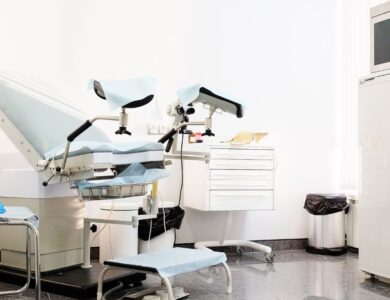
A diagnosis typically involves a routine pelvic exam conducted by a gynecologist or primary care physician, who will assess the appearance of the tissues and review hormone history.
Treatment is highly individualized but generally focuses on restoring estrogen levels and improving local tissue health. Several effective options are available:
Topical Estrogen Therapy
These treatments deliver low doses of estrogen directly to the vaginal area, providing targeted relief with fewer systemic side effects. Examples include:
- Vaginal Creams or Suppositories: Applied regularly to maintain moistness and elasticity.
- Vaginal Rings (e.g., rings): These devices slowly release estrogen over time, providing sustained localized therapy.
Other Supportive Therapies
Depending on the severity of symptoms, your doctor may also recommend:
- Lubricants and Moisturizers: Over-the-counter products can provide temporary relief for dryness and irritation during intercourse (use these in conjunction with medical treatments).
- Pelvic Floor Physical Therapy: To strengthen muscles affected by hormonal shifts.
- Lifestyle Changes: Maintaining a healthy diet, staying hydrated, and engaging in regular exercise can support overall tissue health.
When to See a Healthcare Provider
Given the variety of potential causes and treatments, self-diagnosing vaginal atrophy is not advisable. You should consult a healthcare provider if you experience:
- Persistent vaginal dryness or burning that interferes with daily life or intimacy.
- Changes in discharge color, smell, or texture accompanied by itching.
- New difficulty urinating or increased frequency of urination.
Conclusion: Taking Control of Vaginal Health
Vaginal atrophy is a manageable condition that does not signal the end of comfort and health. While the hormonal changes can be uncomfortable, recognizing the signs and working closely with your healthcare team ensures you receive the correct diagnosis and most effective treatment plan. Open communication about symptoms—even those considered sensitive—is paramount.
Call to Action: If you suspect vaginal atrophy or experience recurring pelvic discomfort, do not hesitate to schedule an appointment with a gynecologist. By understanding your body’s needs and utilizing available treatments, you can significantly improve comfort, restore tissue health, and regain confidence in your intimate life.